
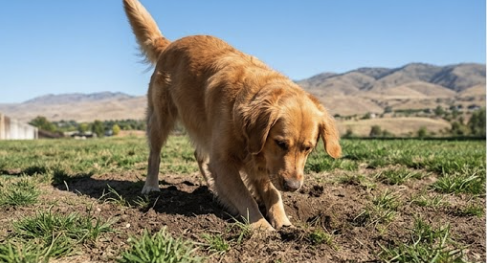
How to Keep Your Dog From Digging Up Your Boise Yard
If you love spending weekends hiking Camel’s Back Park but dread coming home to a lawn that looks like a miniature version of the rugged Boise Foothills, you are not alone. To keep your dog from digging up your Boise yard, you must identify the underlying cause—whether it is high desert heat, pocket gophers, or boredom. Address this by increasing exercise on local trails, providing dedicated shade, or creating a designated digging zone using safe materials from local Treasure Valley garden centers.
Why do dogs dig holes in the dirt?
Understanding the root cause of your dog’s excavation habit is essential before implementing any backyard modifications. Dogs do not dig out of spite; rather, they are fulfilling an instinctual need, responding to environmental stressors, or reacting to local wildlife. Most importantly, identifying the underlying psychology of your canine companion prevents you from wasting time and money on fixes that don’t address the actual problem. By evaluating your dog’s daily routine and the specific locations they target, you can deploy a highly targeted solution that protects both your lawn and your pet’s well-being.
Attention-Seeking Behavior on The Bench
To begin with, let’s look at attention-seeking behavior. If you live on The Bench and spend your evenings relaxing on the patio, your dog might notice that a sudden flurry of flying turf immediately gets you off your lawn chair. Even if you are yelling or scolding them, negative attention is still a victory to a pup craving interaction. Key takeaway: If your dog only digs when you are nearby and looks back to see if you are watching, they are likely casting you as the audience for their backyard drama. This is often linked to separation anxiety, which you can learn more about in our Velcro Dogs article.
Seeking Comfort from the High Desert Heat
Boise features a distinct high desert climate, which means summer afternoon temperatures can easily soar past 95°F. If your dog is digging deep, wide hollows under mature trees or right against the concrete foundation of your home, they are likely trying to stay comfortable. Soil a few inches beneath the surface can be significantly cooler than the ambient air temperature. When dogs lie down in these freshly dug hollows, they are trying to cool their core body temperature.
Chasing Underground Pests and Wildlife
Finally, your dog’s digging might be driven by a predatory drive. The Treasure Valley is home to a robust population of northern pocket gophers, voles, and field mice that love to tunnel through local root systems. If your dog is digging focused, irregular holes in random patches of the lawn, or following a distinct path-like pattern across the grass, they are tracking subterranean prey. You can consult resources like the University of Idaho Extension office to confirm local pest seasonal patterns.
The bottom line: If there are pests nesting beneath your grass, your dog will not stop digging until the prey is gone. To learn more about how underground ecosystems impact your backyard, read our guide on Do Certain Yards Attract Snakes? to see how pest control keeps your entire home secure.
How can you keep your dog from digging when they are bored?
To compare a bored dog to an exercised dog is to see two entirely different animals. On one hand, an under-stimulated dog will systematically dismantle your landscaping block by block to entertain themselves while you commute via The Connector. On the other hand, a pup who just completed a three-mile run along the Boise Greenbelt will likely sleep on the porch all afternoon without a single thought of digging. High-energy boredom is one of the most common reasons yards get destroyed, but it is also the easiest to remedy with a lifestyle shift.
Utilizing Boise Outdoor Spaces for Mental Fatigue
Increasing your dog’s daily exercise is the most effective way to eliminate boredom-based digging and keep your dog from digging out of pure frustration. Take full advantage of Boise’s incredible outdoor spaces. A morning trip to the off-leash dog areas near Lucky Peak or a rigorous agility training session at a North End park can completely drain your dog’s excess energy.
Simply put, a tired dog is a well-behaved dog. Additionally, introduce interactive puzzles and durable chew toys filled with frozen peanut butter when you leave for work. This keeps their brains occupied during your peak absence hours, leaving them with no leftover energy for lawn destruction.
How can physical barriers keep your dog from digging along property lines?
Some dogs dig exclusively along the perimeter of your property. If you find a series of crescent-shaped craters right where your grass meets your neighbor’s fence, your pup is likely trying to break out to explore the wider world of the North End. To protect your boundaries and keep your dog from digging under fences, you need a physical barrier that discourages paws from moving dirt.
Building a Secure Boundary with Local Materials
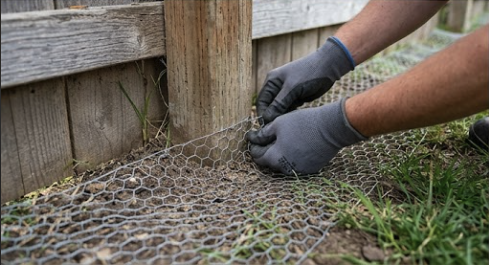
Swing by your local D&B Supply to pick up heavy-duty chicken wire, hardware cloth, or large river rocks. To begin with, clear the loose dirt away from the fence line where the problem behavior occurs. Next, lay down the chicken wire flat along the ground, extending it about a foot out from the base of the fence, and anchor it securely with landscape staples. Finally, cover the wire with a thick layer of topsoil or decorative gravel.
When your dog attempts to dig, the wire will stop them without causing injury to their paws. Alternatively, burying large, heavy river rocks along the perimeter creates a natural barrier that dogs cannot physically move, protecting your yard from escape attempts.
How do you set up an acceptable digging area for a dog?
For dogs driven by pure instinct—such as Terriers, Beagles, or Dachshunds—stopping the digging behavior completely can be nearly impossible. Instead of fighting nature, redirect it. You can easily build a dedicated “doggy sandbox” in a shaded corner of your yard. Visit Franz Witte or Zamzows to gather play sand, clean topsoil, and a few durable wooden timbers to frame the area.
In summary, follow this simple training process to teach your dog to use the box:
Fill the designated box with a loose, enticing mixture of sand and soil.
Bury a few of your dog’s favorite toys or treats just beneath the surface while they watch you do it.
Encourage them to find the hidden treasures and praise them enthusiastically when they dig in the box.
Simply put, if you catch them digging in the forbidden zones of the lawn, give a firm “No,” and immediately lead them to their personal digging box to show them where it is acceptable. Over time, the ease of digging in the soft sand will become much more appealing than fighting with your tough lawn turf.
What should you not do when trying to stop a digging dog?
When dealing with a frustrating lawn situation, it is easy to react out of anger. However, certain traditional correction methods can backfire completely, causing increased anxiety and worsening the destructive behavior. Common mistake: Punishing your dog hours after the hole was created will yield zero positive results.
Ineffective Methods That Harm Trust
Yelling or Punishment After the Fact: Dogs live in the immediate moment. If you come home from work and yell at your dog for a hole dug three hours ago, they will not connect the punishment to the digging. Instead, they will simply associate your homecoming with unpredictable fear.
Tying the Dog Near the Hole: Forcing your dog to stay tethered near their excavation site does not teach them a lesson. It causes extreme psychological stress, which can actually increase compulsive behaviors like digging.
Filling Holes with Water: Turning a fresh hole into a mud puddle rarely deters a determined digger. On the contrary, many dogs absolutely love mud, and you will likely end up with a filthy pet tracking wet dirt across your clean floors.
How does keeping a clean lawn prevent digging issues?
A yard torn up by constant digging quickly becomes incredibly difficult to maintain. Holes collect stagnant rainwater, create serious tripping hazards for your family, and make it exceptionally tough to spot and clean up pet waste before it ruins the remaining turf. Furthermore, an accumulation of waste can actually attract more insects and rodents to your property, compounding your underground pest issues and encouraging even more predatory digging from your pup.
How Idaho Poop Scoop Protects Your Turf
When your yard is a maze of dirt piles and deep craters, managing canine waste becomes an absolute chore. This is where professional intervention saves your weekends. By employing Idaho Poop Scoop, you ensure that your lawn remains completely free of pet waste, allowing you to focus purely on behavioral training and enjoying quality time with your pup.
Our team provides reliable, local service throughout the Treasure Valley, ensuring that even if you are working hard to patch up old holes and lay down new seed, you won’t have to step around unexpected messes. Leaving waste neglected directly fuels pest cycles; discover the hidden risks in our Boise Pooper Scooper Guide: Pests Dog Poop Attracts To Lawns. For broader insights on maintaining proper digestion and stool consistency to make cleanup even easier, look over our breakdown on Probiotics For Dogs: Do They Help With Stool Quality?